
Living in Murphys CA: Daily Life, Housing & Lifestyle
February 5, 2026
February 5, 2026
Picture a walkable Gold Rush main street where your morning coffee comes with small‑town hellos, and your weekend brings tasting rooms, live music, and trail time. If you are weighing a foothill move from the Bay Area or Sacramento, Murphys offers charm, space, and a slower pace without giving up good food or community life. In this guide, you will learn what day‑to‑day living looks like, from housing and commutes to festivals, broadband, and wildfire prep. Let’s dive in.
Murphys is a small Sierra‑foothills town in Calaveras County with a historic, walkable core and a rural backdrop of vineyards and oak‑pine hills. The census‑designated place is compact, and locals also refer to the broader Murphys area that includes nearby ranches and wineries. You feel close to nature, yet Main Street anchors daily life with coffee, dining, and boutique retail.
Murphys’ Main Street blends preserved buildings with tasting rooms, cafes, galleries, and inns. The vibe is friendly and pedestrian‑oriented, with a steady visitor flow that peaks on weekends and festival days. For an overview of businesses and events, explore the Murphys Chamber’s visitor hub at Visit Murphys.
Weekdays move at a quieter pace. Some shops open later in the morning and close earlier in the evening, or take midweek breaks. Weekends bring more energy, live music, and full patios. You get the best of both: a relaxed Monday through Thursday and a lively Friday through Sunday.
You can handle essentials in town with small markets, restaurants, and specialty shops. For full‑service grocery chains or big‑box runs, most residents drive to nearby Angels Camp, Valley Springs, or other regional centers. Many tasting rooms and eateries are open year‑round, with seasonal menus and live‑music calendars.
Basic medical and urgent care options are available in Calaveras County. For full hospital services or specialized care, residents often travel to nearby regional centers. County law enforcement and local fire or Cal Fire units serve the area, with response times that can differ from urban norms.
Water and sewer service may be through county or local districts, while many rural parcels rely on wells and septic systems. Electricity is supplied by regional utilities. Broadband can vary by street, with cable, DSL, fixed wireless, and satellite options in different pockets. Check coverage at the FCC Broadband Map for a specific address, and consider satellite solutions where wired service is limited.
Murphys is car‑dependent, with limited local and intercity bus service. Main access routes are state and county highways that connect to the Central Valley, the East Bay, and the Sacramento area. Road quality is generally good, but winter storms or wildfire activity can affect travel; check current conditions on Caltrans QuickMap before longer drives.
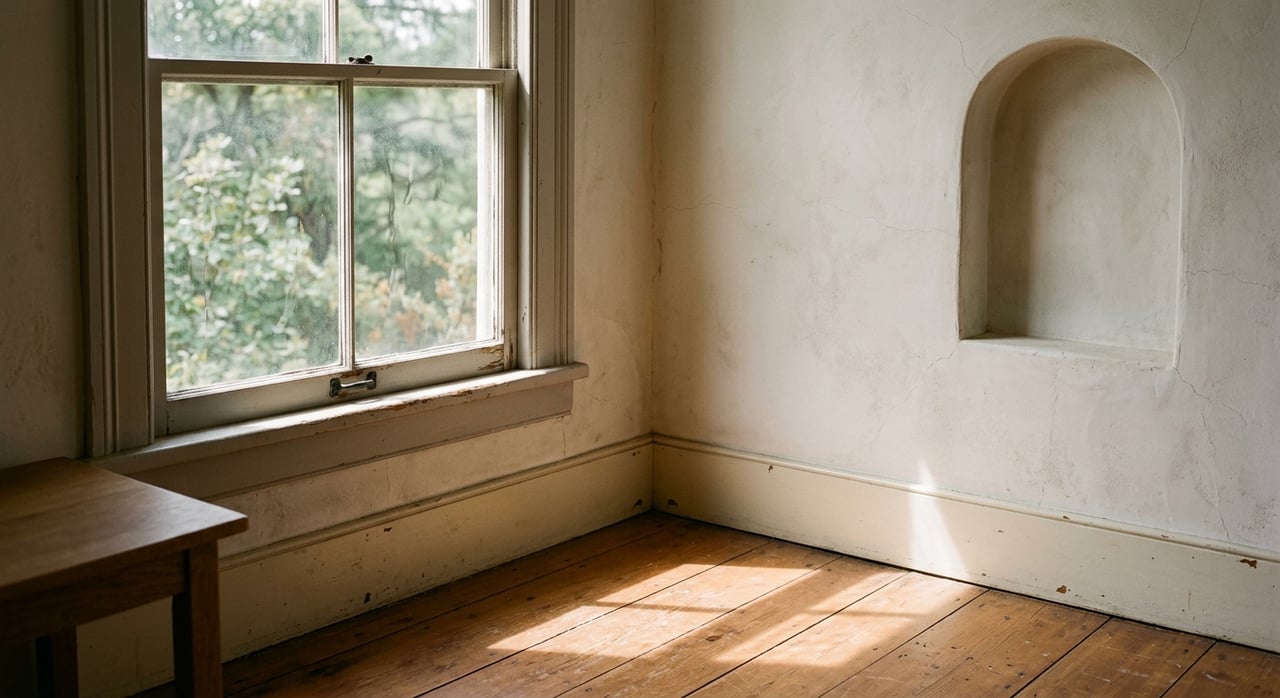
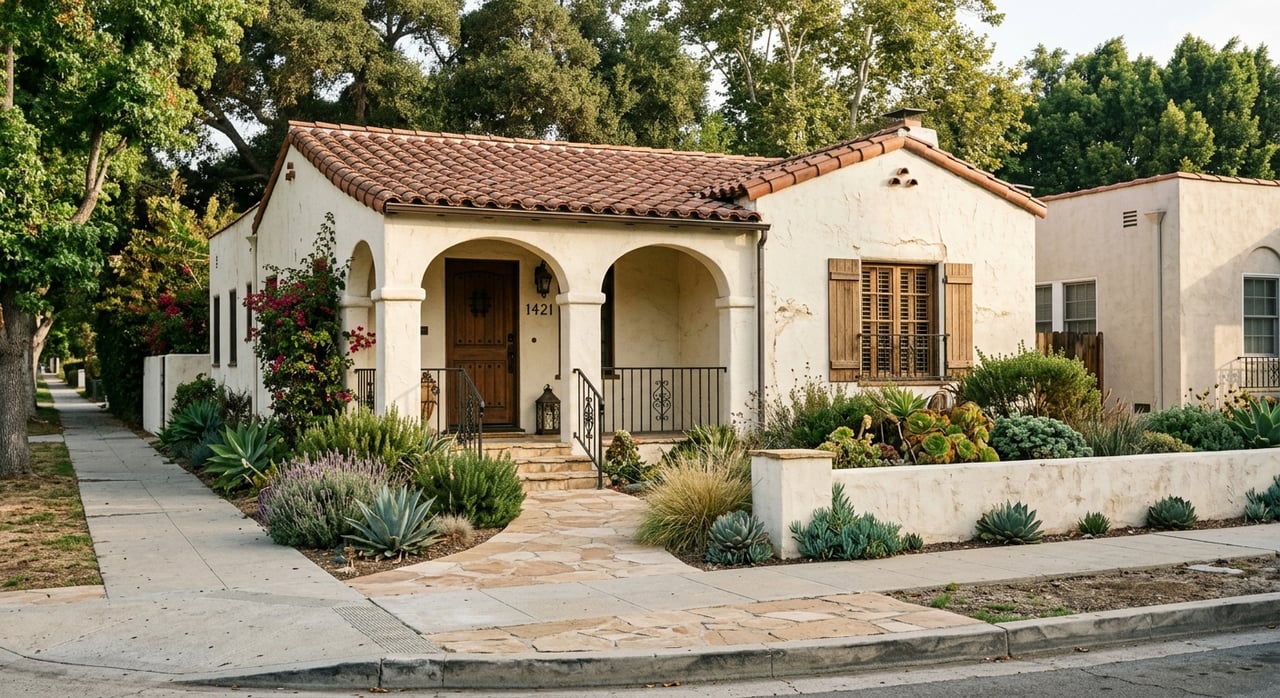
Close to Main Street, you will find Victorian and early 20th‑century homes, updated cottages, and a few small condo communities. These properties often appeal to buyers who want to walk to dining and tasting rooms and enjoy the in‑town social scene.
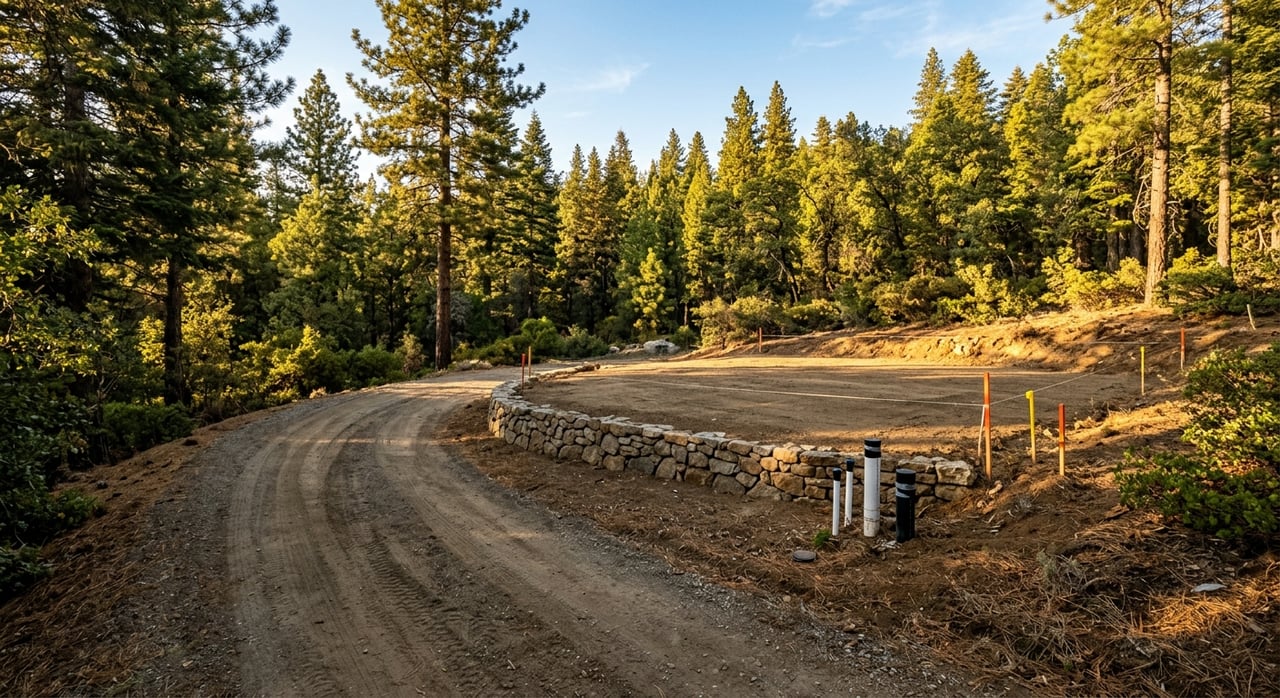
Beyond downtown, housing shifts to larger lots and multi‑acre parcels. These homes offer privacy, views, outbuildings, and space for hobby vineyards or small livestock. Many parcels use septic systems and private wells, so due diligence is important.
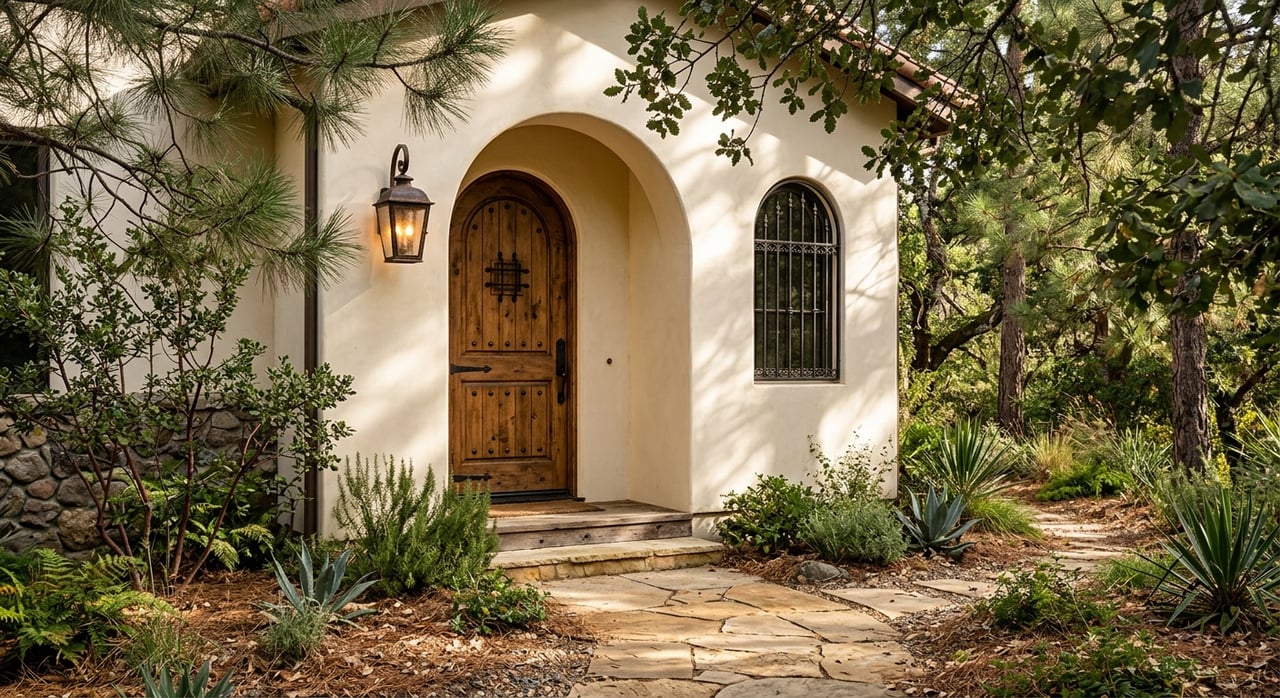
You will also see newer homes in lower‑density subdivisions compared with suburban Bay Area neighborhoods. These can be a fit if you want newer construction but still value a rural setting.
Murphys draws local families, retirees, wine‑industry professionals, second‑home buyers, and more remote workers. Downtown walkability and short‑term rental potential can add to demand near Main Street, while acreage and views drive interest in rural parcels. For current median prices, inventory, and days on market, check reports from the Calaveras County Association of Realtors or local MLS snapshots. Rather than anchor to a single number, focus on how your property criteria align with the range of options.
Daily commutes to the Bay Area are possible but time intensive. Typical one‑way drive times are about 1.5 to 2.5 hours to many outer East Bay hubs, around 2.5 to 3 hours to San Francisco, and roughly 1 to 1.5 hours to Sacramento, depending on route and traffic. Hybrid patterns are common, where you drive once or twice a week and stack meetings.
Remote work is feasible with reliable internet, so always confirm service at a specific property. If you plan hybrid travel, factor in the house‑to‑airport drive and time‑of‑day traffic. For road closures or weather, use Caltrans QuickMap before long trips.
The foothill landscape offers nearby creeks, lakes, and hiking. Elevation brings four seasons with mild winters compared to the high Sierra and warm, dry summers. Many residents pair morning hikes with afternoon tasting or live music.
Murphys sits within the Sierra Foothills AVA with a strong cluster of in‑town tasting rooms. Seasonal vineyard events and concert nights are part of the fabric of local life. Regional destinations like Ironstone Vineyards host well‑attended events that add to the social calendar.
Expect lively weekends during wine events, holiday parades, and community celebrations. County traditions, such as fairs and festivals in nearby towns, draw regional visitors. The upside is year‑round energy and a healthy dining scene, with occasional crowd and parking challenges on peak dates. Check the calendar via Visit Murphys when planning ahead.
Pros include a friendly, walkable core, strong hospitality, and close access to outdoor recreation. You trade shorter metro commutes for space, quiet, and small‑town connection. Expect more visitors on weekends and during harvest and holiday seasons. Many residents enjoy the rhythm: calm weekdays, spirited weekends.
Foothill communities have elevated wildfire risk. Review Cal Fire’s Fire Hazard Severity Zone resources and learn local defensible‑space standards and evacuation plans. Insurance availability and premiums can vary by location and mitigation steps. Budget for home‑hardening and vegetation management as part of ownership.
Many rural parcels use wells and septic systems. Your inspections should include well yield and water quality tests, septic evaluations, and any local district connection rules. These checks protect you from surprises and help estimate long‑term maintenance costs.
Some in‑town properties fall within historic or design review areas, and rural parcels can require specific permits for additions, ADUs, or agricultural uses. Plan for county timelines if you intend to expand, build, or operate a short‑term rental.
Public schools are administered at the county level and by local districts. Assignments and programs change over time, so review current information from the California Department of Education and local district sites. Use neutral, up‑to‑date sources when evaluating fit and offerings.
If you want small‑town charm, wine‑country weekends, and elbow room within reach of the Bay Area or Sacramento, Murphys is worth a close look. The tradeoffs are clear and manageable when you plan for commute strategy, internet coverage, wildfire readiness, and rural utilities. With the right guidance, you can match lifestyle goals to the right neighborhood and property type.
Ready to explore homes, land, or a second‑home retreat in the foothills? Connect with Ursula Bahamondes for local insight, white‑glove representation, and a data‑driven plan tailored to you.

Get assistance in determining current property value, crafting a competitive offer, writing and negotiating a contract, and much more. Contact her today.