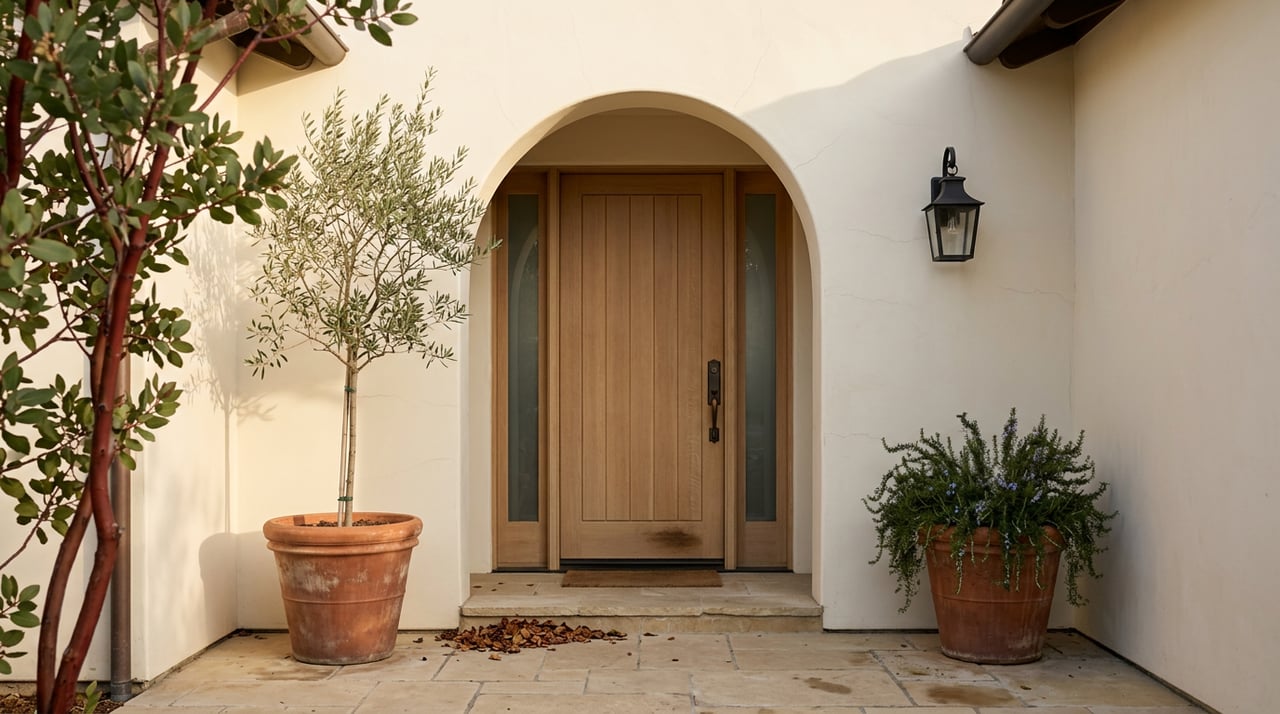
Pricing Your Sonora Home in Today’s Market
March 5, 2026
March 5, 2026
Thinking about selling your Sonora home but unsure where to price it? You are not alone. In a market that shifts with season, inventory, and buyer demand, the right list price can be the difference between steady showings and weeks of silence. In this guide, you will learn how to read today’s Sonora numbers, how agents and appraisers determine value, and which launch tactics work best in Tuolumne County. Let’s dive in.
Pricing begins with a clear read on current data. As of January 2026, one major source reported a Tuolumne County median sold price near $400,000. Another platform showed a county median list price around $424,000 in December 2025, with Sonora city’s median list price near $446,500 at that same time. A well-known home value index placed typical Sonora values in the mid to high $390,000s through January 31, 2026. Each figure uses a different metric and date, which is why you should always label whether it is a sold price, list price, or index value.
Local coverage of Tuolumne County Association of Realtors data shows 2025 medians in the mid $300,000s to low $400,000s, with many sales closing under $500,000 and inventory hovering around a balanced 4 to 5 months of supply at points reported in early 2026. You can review that context in this summary of the local market trend reporting from the association’s data. Local coverage of TCAR trends
Days on market has been longer than big metro areas. Depending on the city and time window, recent sources show median DOM often ranges from roughly 70 to 115 days. Affordable homes and well-presented listings tend to move faster, while unique or rural properties can take longer.
What this means for you: Sonora sits below Bay Area price points and attracts local buyers, retirees, and lifestyle movers. The market often reads as balanced to modestly buyer-friendly. Your strategy should fit your price band, property type, and how quickly you want to close.
Ask your agent for a comparative market analysis that highlights 3 to 5 recent closed sales in your immediate area, plus competing active and pending listings. The strongest CMAs mirror what appraisers will consider: similar size, bed and bath count, lot and utility type, and sales within the last 6 to 12 months. In areas with few recent sales, older comps may be used if time adjustments are supported by market evidence, which aligns with national appraisal guidance. Fannie Mae guidance on comparable sales
A CMA is a marketing tool that sets your list price and launch plan. An appraisal is a lender-driven valuation that must document market-based adjustments, especially for time since sale if the market has shifted. Your agent should price to the market today and prepare a tidy packet of recent sales and property facts that can help the buyer’s appraiser understand your home’s position.
Roof health, HVAC, windows, and move-in-ready kitchens and baths tend to support stronger prices and smoother appraisals. If you plan updates, focus on projects that typically recoup more at resale in the Pacific region, such as minor kitchen work and certain exterior upgrades. Use these as benchmarks and confirm with local comps before spending. Cost vs. Value benchmarks, Pacific region
Start by setting your priority. Is your top goal the highest possible net, the fastest close, or a predictable, low-drama timeline? Your pricing tactic flows from that decision.
Many MLSs offer a Coming Soon status that allows limited exposure before the full launch. Benefits include preserving days-on-market, building agent buzz, and finishing prep work without losing momentum. The tradeoff is reduced public exposure if syndication is limited by local rules. If you use this path, set a tight timeline and clear criteria for moving to Active status. Review how your local MLS handles this option and make a plan that matches your prep needs. NAR MLS policy overview
The first 7 to 21 days are critical. Most buyer interest and platform visibility concentrate early. If showings or qualified inquiries are low after two weekends, consider a single, meaningful adjustment that moves you into a new search bracket rather than tiny, repeated cuts. Monitor showings, feedback, and how quickly similar homes in your price range go under contract. How agents time price adjustments
You may be priced too high if:
If showings are steady but no offers arrive, look at terms and presentation. Consider a credit for a dated system, flexible timing, or refreshed staging and photos before adjusting price. Track showings per week, the ratio of showings to offers, and how your days on market compare to local norms. Practical pricing diagnostics
In Sonora, strong presentation moves the needle. According to the National Association of Realtors 2025 Profile of Home Staging, nearly one-third of agents reported staged homes attracted offers 1 to 10 percent higher, and many seller agents saw reduced time on market. Focus on decluttering, deep cleaning, curb appeal, and targeted staging in living areas and the primary bedroom. Pair that with professional photography and a clear digital story about your home’s lifestyle benefits. NAR report on staging benefits
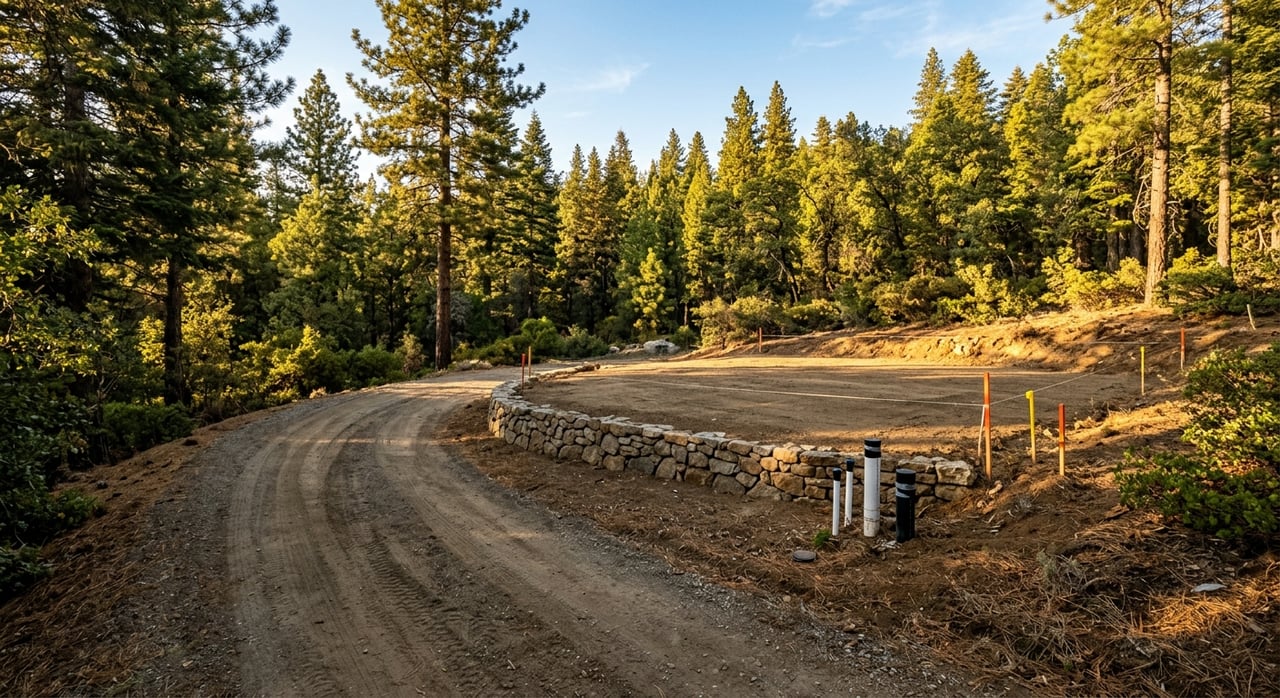
If you are selling a cabin, ranchette, or acreage with well and septic, expect a different pathway. Appraisers may expand the search radius, use older sales with time adjustments, or give more weight to cost-based analysis when close comps are limited. Lenders often require water potability and septic evaluations, which can add time and narrow the buyer pool. Plan for this in both pricing and timelines. USDA and rural property inspection context
Create a simple property dossier that includes permits, well logs, septic records, road maintenance agreements, easements, and utility details. A short narrative explaining buyer appeal, usable acreage, and proximity to Sonora services helps both buyers and appraisers. For additional local context on ranchettes and rural living, see this regional explainer. What a ranchette means to local buyers
Wildfire risk factors into both marketability and insurance costs across Tuolumne County. If your property is in a High or Very High Fire Hazard Severity Zone, California’s AB-38 requires a defensible-space inspection report or a buyer agreement to complete it after closing. Check your parcel’s status and plan your inspection early to avoid delays. CAL FIRE FHSZ viewer and AB-38 info
Insurance availability and premiums also influence buyer decisions. Homes in higher wildfire risk areas may require the California FAIR Plan or specialty carriers. Get updated quotes before listing so you can set expectations and reduce surprises during escrow. West Coast insurance market update
Use this quick plan to stay on track:
Pull a dated market snapshot. Note county median sold price, Sonora city median list price, current days on market, and months of supply. Label each figure by metric and date and consider how your price band compares. Local context on 2025-2026 trends
Request a neighborhood CMA. Ask for a map of 3 to 5 closed sales from the past 6 to 12 months and competing actives. Review how the CMA handles time adjustments and differences in condition. Comparable sales basics
Verify hazard and insurance items. Check your Fire Hazard Severity Zone, schedule any required AB-38 inspection, and gather current insurance quotes. FHSZ and AB-38 | Insurance trends
Prioritize value-forward prep. Tackle safety and system items first, then low-cost, high-impact presentation upgrades that are more likely to recoup dollars. Cost vs. Value guidance
Choose a launch path. Decide whether a brief Coming Soon period supports your prep and marketing plan or if you should go Active for full exposure. Confirm local MLS rules. MLS policy overview
Watch the first 14 to 21 days. Track showings, feedback, and how your DOM compares to similar listings. If traffic is low, consider one meaningful price move rather than many small ones. Pricing adjustment strategy
For rural or unique homes, assemble records early. Include well and septic documentation, road and easement agreements, permits, and a concise narrative of buyer benefits. Plan extra time for required tests. Rural lending and inspection context
If you want a clear number and a smart rollout, request a dated CMA and a 30-minute strategy session. We will outline a price range backed by recent comps, a focused prep list with likely impact on value, and a launch plan that covers timing, media, and how to respond to early feedback. To get started, share your address, property basics, and ideal timeline with Ursula Bahamondes. Schedule a consultation.

Get assistance in determining current property value, crafting a competitive offer, writing and negotiating a contract, and much more. Contact her today.