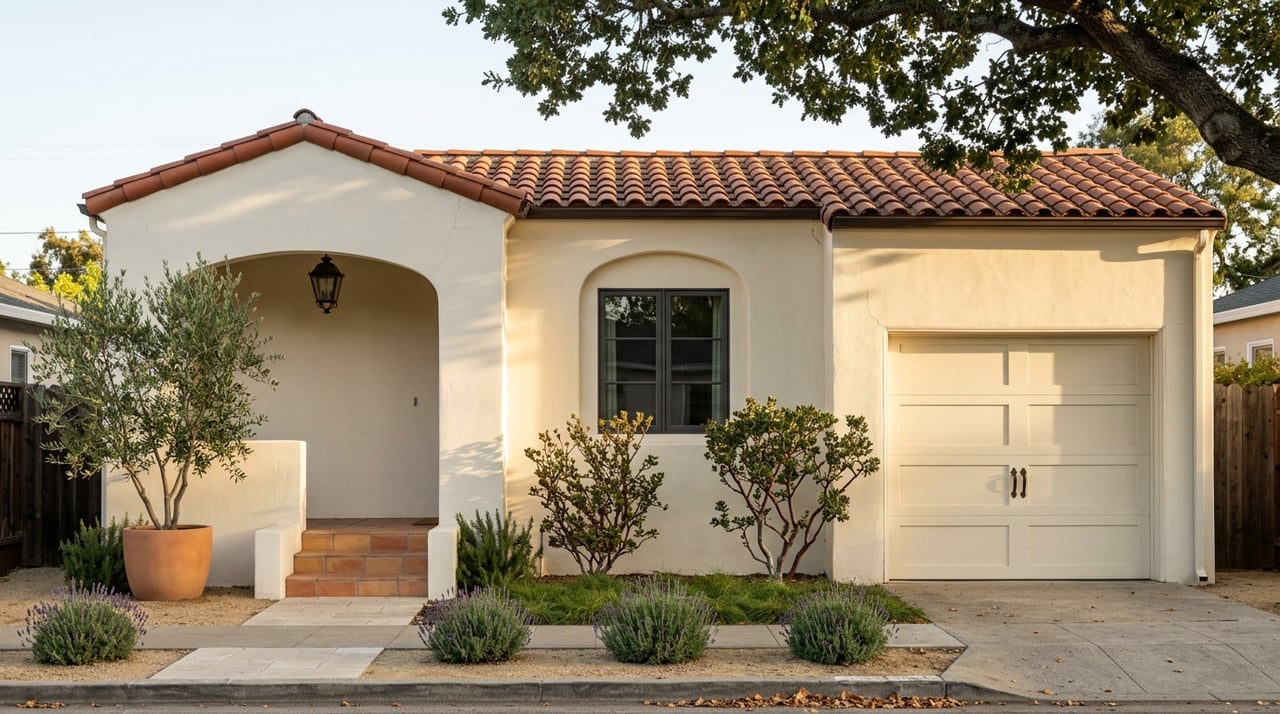
Should You Keep Your Tuolumne City Rental Property?
April 16, 2026
April 16, 2026
If you own a rental in Tuolumne City, you may be asking a very practical question right now: is this property still earning its keep, or is it time to cash out? That can be a tough call, especially in a small market where public numbers are limited and every property performs a little differently. In this guide, you’ll learn how to think through the hold-or-sell decision using local rent and value benchmarks, maintenance reality, and tax factors that can change your bottom line. Let’s dive in.
Tuolumne City is a small market, which means headline numbers can be incomplete or inconsistent. Public listing sites often show only part of the picture, so it helps to look at Tuolumne City data alongside ZIP code 95379 and county-level trends.
Realtor.com’s Tuolumne City market overview shows 26 homes for sale and 6 rentals, with the market described as balanced in February 2026. The same source notes that homes sold for about the asking price on average, while ZIP code 95379 shows a median listing price of $361,662 and 49 median days on market. Countywide, Tuolumne County is labeled a buyer’s market, with 617 homes for sale, a 96% sale-to-list ratio, and 85 median days on market.
What does that mean for you as a landlord? In simple terms, this does not look like a runaway seller’s market where every listing gets a premium. But it also does not suggest a frozen market. A well-priced rental in Tuolumne City should be sellable, especially if it presents cleanly and does not come with obvious deferred maintenance.
The first screen is simple: compare your rent to your property’s value. This is not the full story, but it is a smart place to begin.
According to Trulia’s Tuolumne rent trends, average rent in Tuolumne is about $1,250 per month. One-bedroom rentals average around $1,200, and two-bedroom rentals are closer to $1,600. About 60% of rentals are advertised between $1,500 and $2,199.
Using the 95379 median listing price of $361,662, that average rent works out to a gross annual yield of about 4.1%. If your rental is a two-bedroom at roughly $1,600 per month, the gross yield improves to about 5.3%. Using Zillow’s Tuolumne home value estimate of $346,309, a $1,600 rent points to a gross yield of about 5.5%.
Those numbers matter because they help you answer a basic question: is your property producing enough income for the amount of equity tied up in it? If the answer is no, selling may deserve a serious look.
Gross yield sounds helpful, but it does not include the real-world costs that owners face. Vacancy, turnover, repairs, insurance, property taxes, and any loan payment all reduce what actually lands in your pocket.
If you reserve 5% for vacancy and turnover and 1% of value for repairs, the 95379 two-bedroom scenario drops to about 4.0% before taxes, insurance, and debt service. The average-rent scenario drops even further, to roughly 2.9% before those added costs. In other words, a rental that looks acceptable on paper can feel much thinner once you budget realistically.
Not every Tuolumne City rental should be judged by the average. Lower-basis properties can produce much stronger numbers.
For example, a Zillow listing example on Pine Street shows a 2-bedroom, 1-bath home priced at $243,200 with a Rent Zestimate of $1,605. That works out to roughly 7.9% gross before expenses. This is a good reminder that the hold-or-sell answer often depends less on the market average and more on your actual basis, your actual rent, and your actual condition.
If you bought years ago and your costs are low, keeping the property may still make sense. If your equity has grown but your cash flow has not kept up, selling or exchanging may deserve a closer look.
For many owners, maintenance is the real deciding factor. A rental can look fine from the street and still be one roof, one HVAC issue, or one plumbing problem away from wiping out years of profit.
The IRS explains in Publication 527 that residential rental buildings are depreciated over 27.5 years, while many additions and improvements are treated separately. The IRS also notes that items such as new roofs, furnaces, windows, and doors are generally considered capital improvements, while exterior painting by itself is usually a repair unless it is part of a larger restoration project.
Why does that matter? Because if your Tuolumne City rental is older and has several bigger-ticket items coming in the next 12 to 36 months, you should not assume last year’s rent equals next year’s profit. Roof, drainage, plumbing, and exterior-envelope work can quickly absorb cash flow.
Before you decide to keep or sell, ask yourself:
If your maintenance list is short and your reserves are healthy, keeping the property may be easier to justify. If the list is long, selling before major work begins may protect more of your equity.
Taxes can strongly influence whether holding still makes sense. This is especially true if you have owned the property for a long time.
The California State Board of Equalization explains that Proposition 13 generally limits the property tax rate to 1% plus voter-approved bonded indebtedness and usually caps annual assessed-value increases at 2%. A change in ownership or new construction can trigger a supplemental assessment.
For you, that may mean your current tax base is very favorable compared with today’s market value. That can be a meaningful advantage if you keep the property. At the same time, you should weigh that tax benefit against your current income, repair exposure, and how much equity is sitting idle.
If you decide to sell, you will want to look beyond the sale price. Your tax result depends in part on depreciation.
The IRS states that your basis must be reduced by depreciation that was allowed or allowable, as explained in its depreciation recapture guidance. This means your gain may be larger than you expect if you have owned the rental for many years.
That does not mean selling is a bad move. It simply means you should look at net proceeds after loan payoff, selling costs, repairs, and tax planning, not just the top-line value. The real question is what you keep, not what you sell for.
Sometimes the answer is not just keep or sell. Sometimes the better answer is sell and exchange.
According to the IRS’s like-kind exchange rules for real estate, a 1031 exchange can defer gain for real property held for investment or business use. In a deferred exchange, replacement property must be identified within 45 days and received within 180 days, or by the return due date if earlier. If you receive cash or other non-like-kind property, gain is recognized to that extent.
A 1031 exchange may fit if you want to stay invested but improve your position. For example, you may want a property with better cash flow, less maintenance, or a simpler management setup. It is usually less attractive if your real goal is to stop being a landlord and simplify your life.
If you want a cleaner way to make the decision, focus on these five filters:
Current yield after reserves
Does the property still produce acceptable income after vacancy and repair reserves?
Deferred maintenance burden
Are major repairs likely in the next one to three years?
Equity locked in the property
Is too much of your wealth tied up in an asset with modest returns?
1031 replacement appeal
Is there a realistic next property that improves your situation?
Lifestyle and time value
Do you still want the work and responsibility that come with owning a rental?
If your income is thin, repairs are building up, and you are no longer interested in active ownership, selling may be the cleaner path. If your property cash flows well, your tax base is favorable, and the condition is solid, holding may still be the better move.
In Tuolumne City, the public data points to a small, balanced-to-soft market rather than an overheated one. That means you should stay realistic on pricing, but you should not assume selling is off the table. If your rental is in decent shape and priced carefully, today’s market can still support a sale.
At the same time, average rent levels suggest that some properties may not be strong performers once you account for reserves and upkeep. That is especially true if your property would only command average rent and needs meaningful work. In those cases, reviewing your numbers now can help you act before another repair cycle eats into your equity.
If you are weighing whether to keep or sell your Tuolumne City rental, a personalized review can make the choice much clearer. Looking at loan payoff, likely sale proceeds, condition, depreciation, and local pricing together gives you a much better answer than any public estimate alone. If you want help thinking through your options, connect with Ursula Bahamondes for a thoughtful, local strategy built around your goals.





Get assistance in determining current property value, crafting a competitive offer, writing and negotiating a contract, and much more. Contact her today.