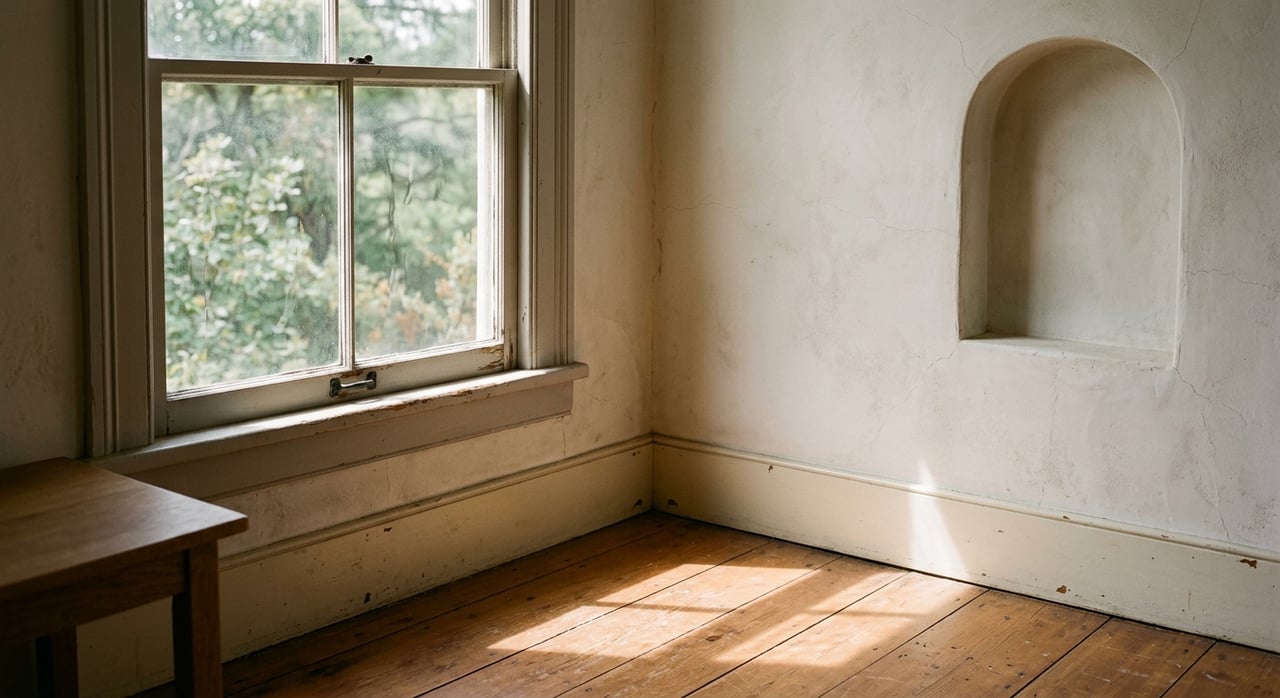
Buying a Historic Home in Columbia CA: What to Know
July 23, 2026
July 23, 2026
If you love homes with character, Columbia can be hard to resist. Between the Gold Rush setting, preserved streetscape, and one-of-a-kind architecture, buying here can feel very different from buying in a newer neighborhood. The key is knowing what comes with that charm so you can plan for upkeep, approvals, insurance, and long-term costs with confidence. Let’s dive in.
Columbia is not just an old town with a few historic buildings. According to California State Parks, the old business district became Columbia State Historic Park in 1945, the Columbia Historic District was designated a National Historic Landmark in 1961, and the district includes 39 surviving buildings that reflect the town’s 1854 to 1858 mining-era character.
State Parks also describes Columbia State Historic Park as home to the largest collection of Gold Rush-era structures in California. For you as a buyer, that means you are not just purchasing a home. You are buying into a living historic setting with active businesses, events, and visitors.
That can be a real benefit if you value history, walkable charm, and a strong sense of place. It can also mean more public activity near the historic core and more attention on how properties are maintained or updated.
Before you write an offer, confirm exactly where the property sits. In Columbia, that could mean the parcel is inside Columbia State Historic Park, within the county’s Columbia Design Review District, or subject to another historic overlay.
Tuolumne County identifies Columbia as one of its design review districts. The county says discretionary entitlements in that district are reviewed for consistency with the applicable design guide.
This matters because the answer affects what changes may be straightforward and what may need extra review. A home that looks like a simple cosmetic project on day one may come with more rules around exterior work than you expected.
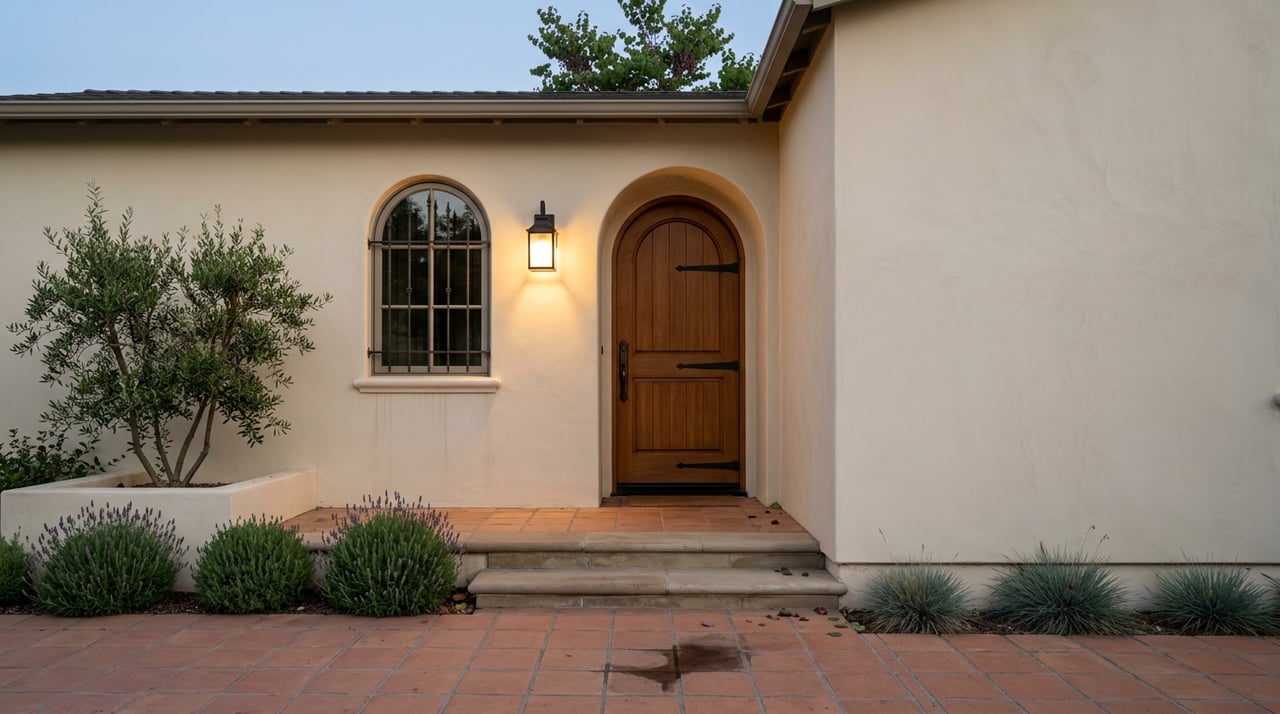
Historic homes in Columbia often have features you may not see in newer foothill construction. Tuolumne County’s design guidelines describe common characteristics such as one- and two-story forms, moderate-to-steep gabled roofs, wood shake or corrugated metal roofing, clapboard or channel-rustic siding, board-and-batten walls, front porches, divided-light windows, wood shutters, and historic color palettes.
Those details are a big part of the appeal. They are also a clue that ongoing maintenance may be more specialized than it would be in a standard tract home.
In many cases, your to-do list is less about fully reinventing the house and more about caring for the roof, porch elements, exterior woodwork, windows, and site features in a way that fits the historic setting. If you are shopping in Columbia, it helps to budget for steady stewardship rather than quick cosmetic flips.
One of the biggest surprises for buyers is that not every update is treated the same way in a historic area. Tuolumne County’s Columbia design guidelines say new materials can be used when they do not substantially change the building’s historic character.
The same guidelines note that modern fire-resistant roofing materials are preferred. That is helpful because it shows there can be room for practical upgrades, especially when safety is part of the conversation.
Still, the overall look matters. The guide also encourages keeping natural site features where practical, which can affect how you think about landscaping, grading, and exterior improvements.
In many neighborhoods, paint color is mostly a personal preference. In Columbia, it can be part of preserving the historic feel of the area.
The county’s design guide favors historic color families such as whites, grays, red oxide, subtle yellows, tans, greens, browns, and other muted tones. It discourages brighter colors and strong contrast except as accents.
If you already have a bold remodel vision in mind, this is worth checking before you buy. Your dream palette may need to shift to fit the historic context.
If you plan to remodel after closing, start with permit history and approval requirements early. Tuolumne County’s Building Division reviews permits for construction and remodeling projects in the unincorporated county and currently enforces the 2025 California Building Standards Code.
The county also notes that permits are issued to owner-builders or licensed contractors. That makes it smart to review prior permit history, ask about any unpermitted work, and confirm contractor licensing before you commit to major improvements.
In Columbia, there is an added preservation layer. The county says it no longer issues separate Design Review Permits, but discretionary entitlements such as use permits, site development permits, and tentative maps are reviewed for consistency with the design guide.
With older homes, buyers sometimes assume they can remove and replace problem areas as needed. In a historic setting, that process may involve more review than a standard contractor estimate.
Tuolumne County says its Historic Preservation Review Commission also serves as the Demolition Review Committee. All demolition permit applications for structures 50 years old or older must be reviewed by that body.
That does not mean improvements are impossible. It does mean that if your plan includes tearing out significant portions of a structure or pursuing major replacement work, you should understand the review process before closing.
There is good news for buyers considering a historic property that needs work. The State Office of Historic Preservation says the California Historical Building Code provides alternative regulations for repair, alteration, addition, relocation, and continued use of a qualified historical building or structure.
A qualified historic building can include properties on national, state, or local historic registers or inventories. Tuolumne County’s Columbia Community Plan specifically encourages rehabilitation and adaptive reuse of historic properties and says owners should explore the State Historical Building Code.
For you, that can mean a more flexible path for preserving and improving a historic home. It is still something to verify property by property, but it is an important tool to ask about.
Historic status does not mean a home is exempt from property taxes. Tuolumne County says Proposition 13 generally limits annual assessed-value increases to no more than 2% unless there is new construction or a change in ownership, and the county states the property tax rate is 1% of assessed value plus any voter-approved bonds or fees.
That said, historic ownership can sometimes come with incentive opportunities. State law defines a qualified historical property as privately owned property in a registered historic district or on an official historic register.
Tuolumne County’s community plan says owners of historic structures should investigate tax incentives such as the Mills Act. County ordinance language says the Mills Act program provides local property tax reductions for qualifying maintenance, rehabilitation, and remodel work consistent with applicable preservation standards.
If a property may qualify, that is worth exploring early with the right local sources. It can affect your long-term ownership costs and your renovation strategy.
In Tuolumne County, wildfire risk is a major part of due diligence. CAL FIRE’s current county hazard map became effective April 1, 2024, and state guidance explains that defensible space and home hardening are central to reducing wildfire losses.
For an older Columbia home, that makes roof type, vents, nearby vegetation, and other fire-hardening features especially important to review. Historic charm is valuable, but you also want to know how the property performs from a wildfire-risk standpoint.
Insurance is not something to leave for the final week of escrow. The California Department of Insurance says the FAIR Plan is the insurer of last resort and offers limited fire and smoke coverage, often requiring additional policies for water damage, liability, and other risks.
The department also notes that wildfire mitigation can qualify policyholders for discounts. In practical terms, you should get insurance quotes early and ask what assumptions are being made about roof condition, mitigation work, and coverage gaps.
A historic home purchase usually goes more smoothly when you ask detailed questions before making an offer. In Columbia, these are some of the most useful ones:
Buying a historic home in Columbia can be deeply rewarding if you love architecture, local history, and the feeling of living somewhere truly distinctive. These homes often offer a level of character and setting that is hard to replicate anywhere else in Tuolumne County.
The best fit is usually a buyer who appreciates both the charm and the responsibility. If you go in with clear expectations about approvals, maintenance, insurance, and long-term stewardship, you can make a smart decision that fits your budget and your lifestyle.
If you are considering a historic home in Columbia and want local guidance on what to look for before you write an offer, connect with Ursula Bahamondes for personalized support.
Get assistance in determining current property value, crafting a competitive offer, writing and negotiating a contract, and much more. Contact her today.