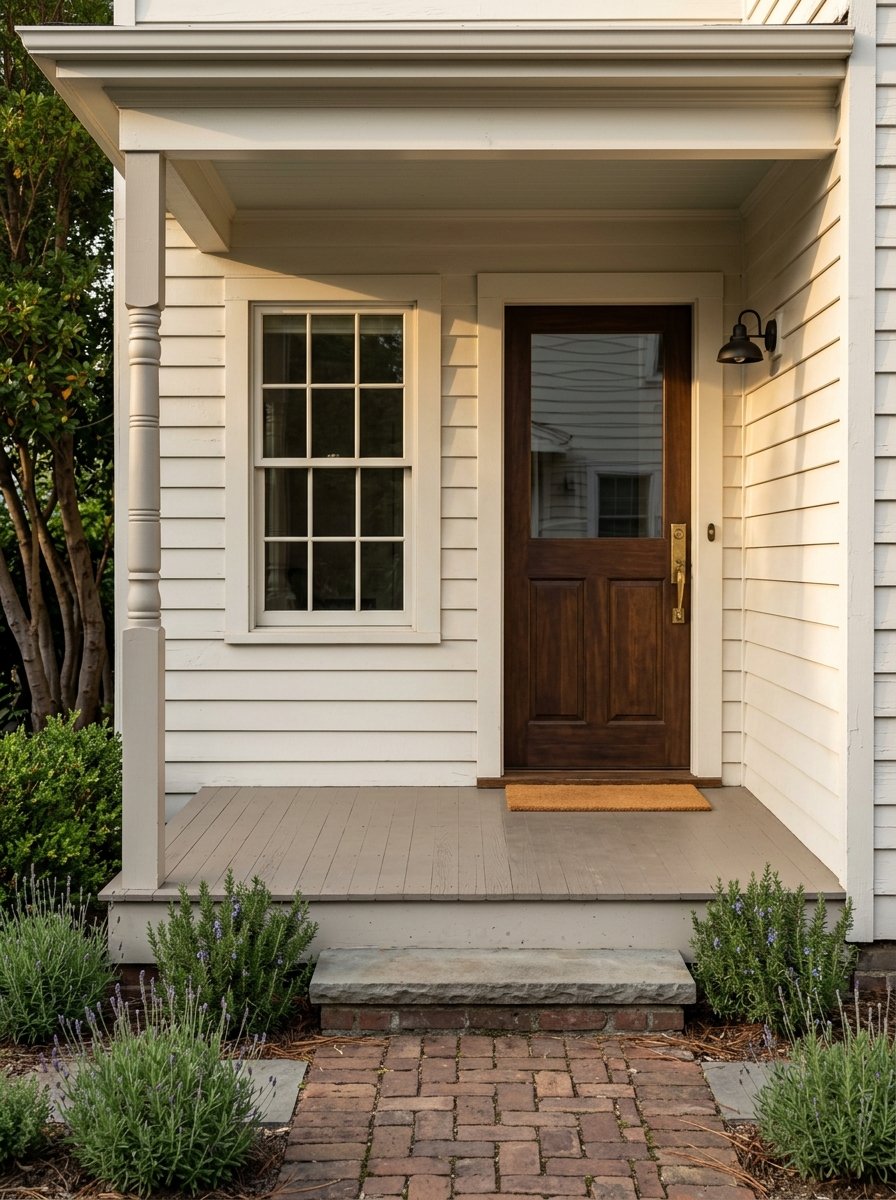
Marketing Historic Jamestown Homes For Maximum Exposure
May 21, 2026
May 21, 2026
If you own a historic home in Jamestown, you are not just selling square footage. You are selling a piece of local history, a distinct setting, and a lifestyle that many buyers cannot find anywhere else. To reach the right buyer and earn strong interest, your marketing has to do more than look pretty. It needs to tell the home’s story clearly, showcase its character honestly, and launch with the kind of digital exposure buyers expect today. Let’s dive in.
Jamestown has a strong identity shaped by its Mother Lode roots, Main Street history, and railroad heritage. Tuolumne County’s design guide describes the area as a place where historic, visual, and cultural resources matter, while Railtown 1897 State Historic Park adds another layer of local recognition as a working steam-era railroad complex and California Historical Landmark.
That local context matters when you market your home. Buyers shopping for an older property in Jamestown are often drawn to more than age alone. They want a home with provenance, meaning a credible connection to place, era, and preservation.
Historic-home buyers also tend to look for both charm and clarity. They may love original windows, built-ins, porches, fireplaces, and millwork, but they also want straight answers about condition, upkeep, permits, and updates. That is why the best marketing for a Jamestown historic home balances emotion with transparency.
Before you plan exterior work or make marketing promises, confirm the property’s status. Tuolumne County has four Design Review Districts, including Jamestown, and projects within those districts may be reviewed for consistency with the applicable design guide as part of certain discretionary entitlements.
If your parcel is zoned :H or :HDP, projects are referred to the Historic Preservation Review Commission before a decision is made. The commission meets on the first Monday of each month at 4:00 p.m., and application deadlines are typically at least four weeks before the meeting date.
That timeline can shape your listing plan. If you intend to repaint, alter siding, change windows, update a porch, add to the home, or remove exterior features, it is smart to verify what review may apply before scheduling photography or announcing a launch date.
If a structure is 50 years old or older, demolition proposals may also go through county review. And for qualified historic buildings, California’s Historical Building Code may offer an alternative path that supports rehabilitation and continued use while preserving historic fabric.
When you get a historic home ready for market, the goal is not to make it look brand new. The goal is to present it as well cared for, visually appealing, and easy for buyers to understand.
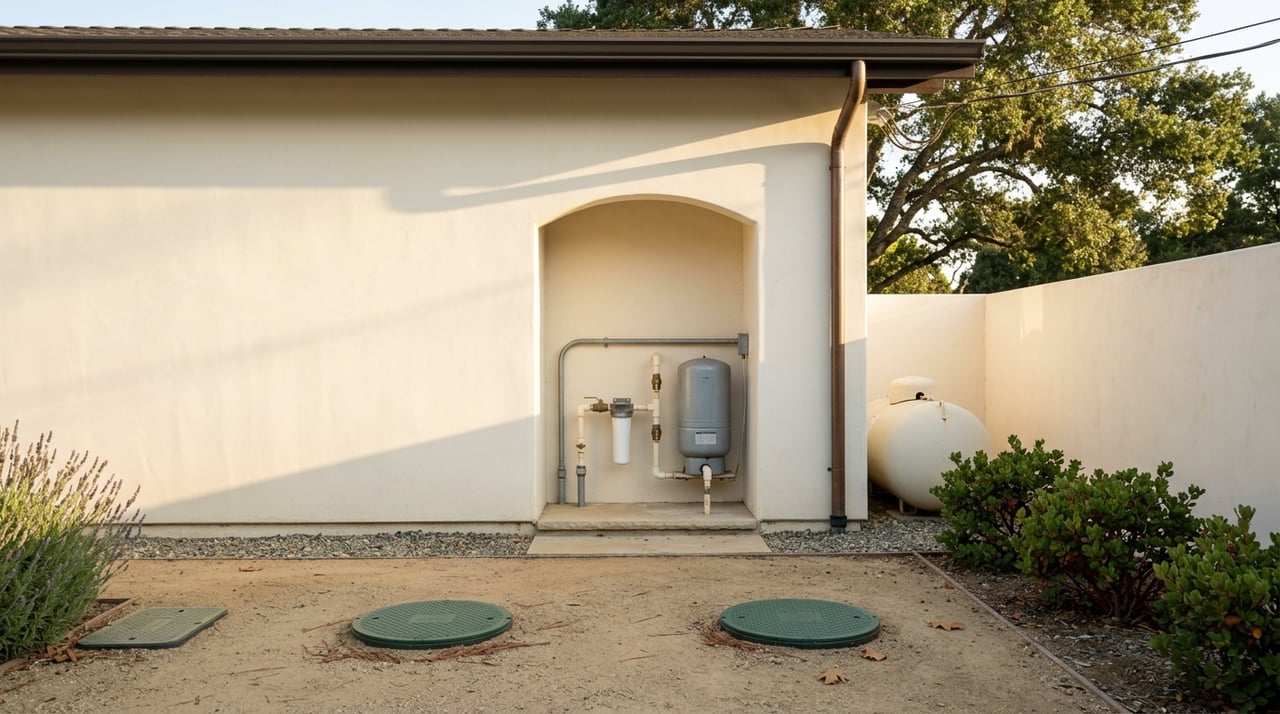
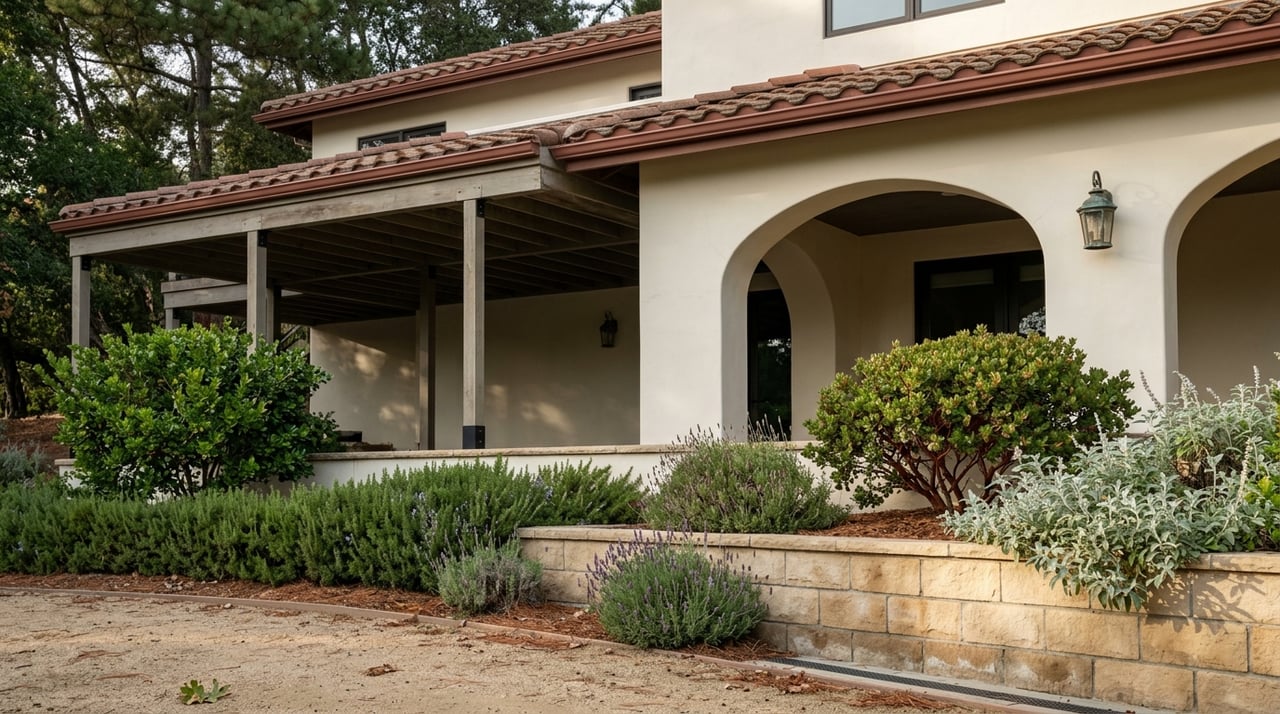
Tuolumne County’s Jamestown design guide emphasizes compatibility in exterior materials, roofline, colors, and overall visual appearance. It also encourages owners to keep parking areas, mechanical equipment, trash containers, and propane tanks as visually unobtrusive as possible. For sellers, that means exterior cleanup matters.
Inside, focus on selective modernization and clear documentation. Buyers often appreciate signs that key systems have been updated responsibly, especially in older homes where electrical, plumbing, insulation, or foundation concerns may be top of mind.
A restrained approach usually works best. If your home has original trim, built-ins, windows, fireplaces, or a welcoming porch, those details should be part of the visual focus.
Staging can help buyers picture themselves in the home, but historic properties benefit from a lighter touch. According to NAR’s 2025 staging report, 83% of buyers’ agents said staging made it easier for buyers to visualize the property as a future home, and 29% reported a 1% to 10% increase in offered value. Nearly half of sellers’ agents also reported faster sales.
That does not mean overfurnishing the home. It means creating a clean, inviting presentation that lets period details shine.
These spaces tend to carry the strongest emotional weight for buyers. In a historic Jamestown home, they are also often where craftsmanship and layout are easiest to appreciate.
Maximum exposure today starts online. NAR’s 2025 buyer data shows that among internet users, the most valuable website features were photos at 83%, detailed property information at 79%, floor plans at 57%, virtual tours at 41%, and videos at 29%. The same report found that 52% of buyers found the home they purchased online.
For a historic home, this means a basic listing upload is not enough. You need a complete digital package that helps buyers understand both the home’s beauty and its function.
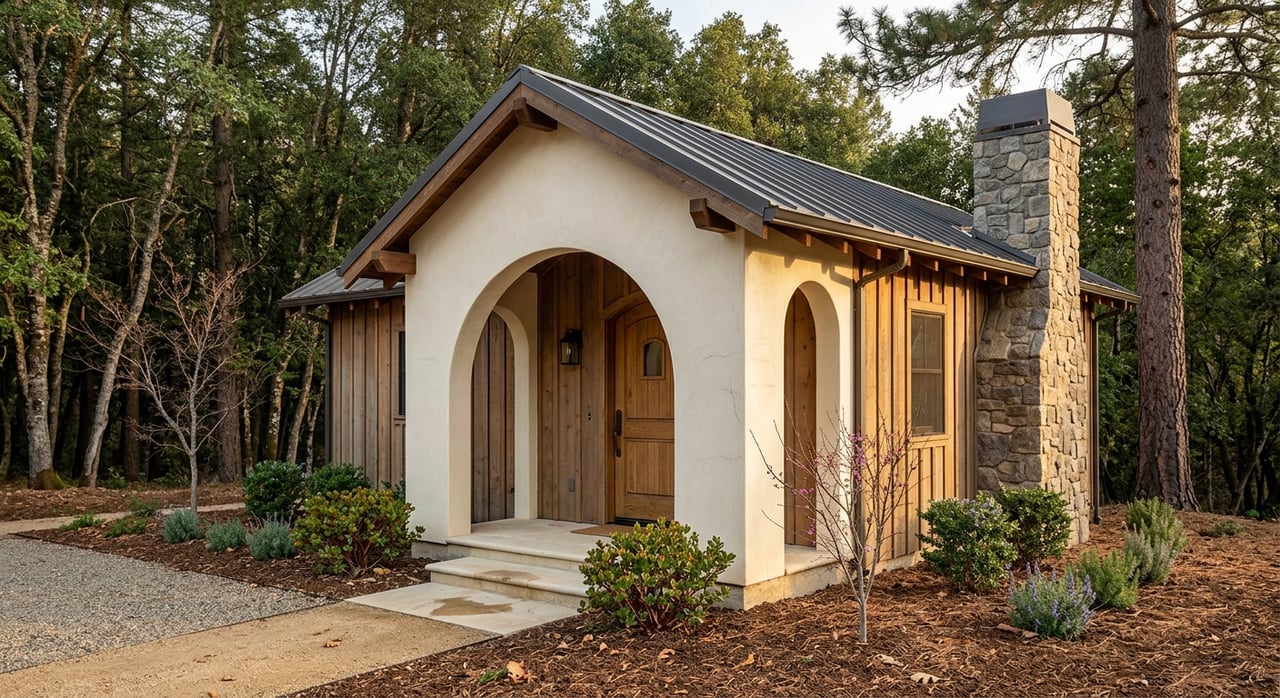
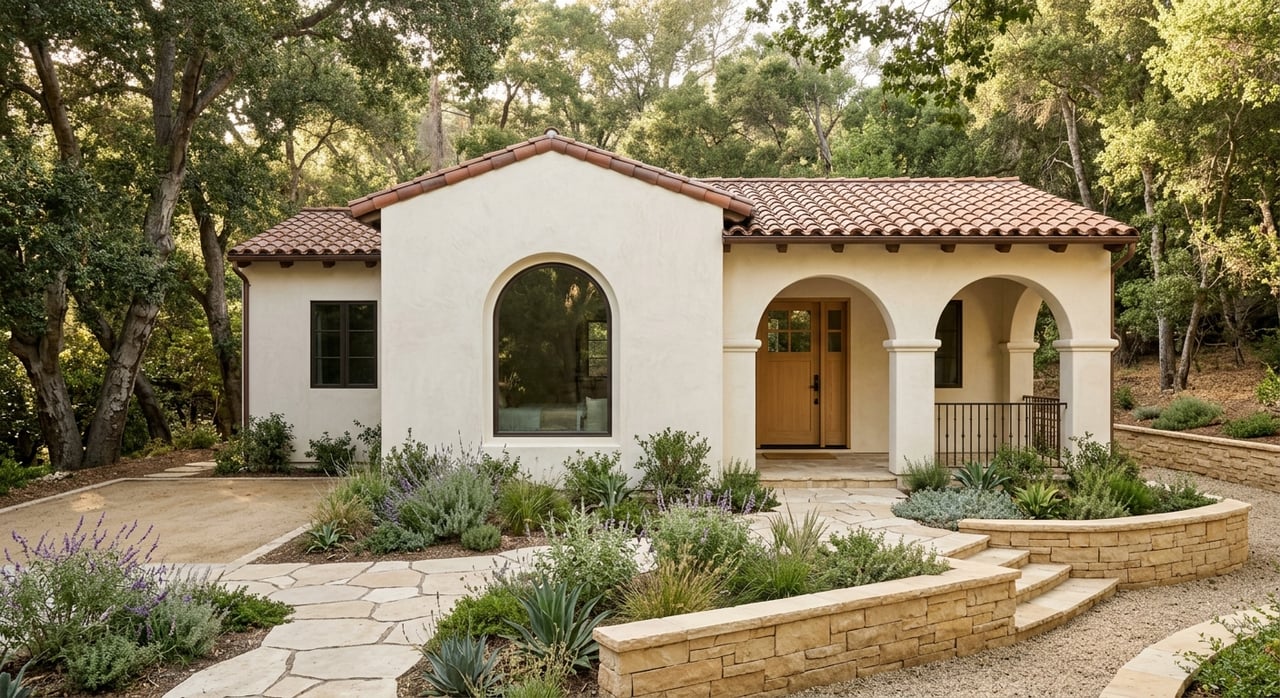
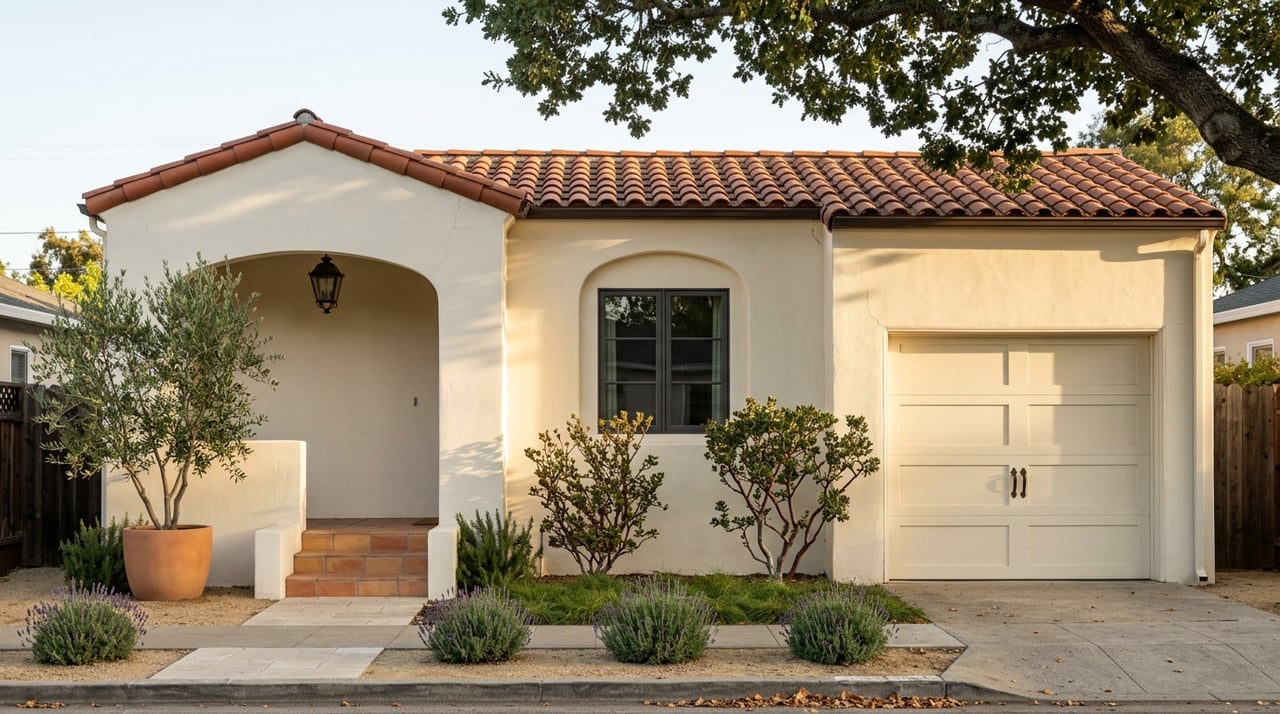
The first photo matters a lot because it often drives whether buyers click at all. For Jamestown historic homes, that image should communicate atmosphere right away, whether that is a classic porch, original facade, mature setting, or a streetscape that reflects local character.
Historic homes often earn more interest when buyers understand what makes them meaningful. In Jamestown, the county’s historic inventory methodology considers age, limited alteration, historic use, and association with notable people or events. That framework supports a marketing approach built on accurate storytelling.
A strong listing story might include the year built, original use, architectural style, preservation work, and any ties to Jamestown’s Gold Rush or railroad-era development. The county archive may also hold useful material such as newspapers, oral histories, historic records, and reference sources that help support that narrative.
The key is accuracy. Buyers respond well to a credible story, but they lose trust quickly if the description overreaches or sounds vague.
When this information is organized before launch, your marketing feels more polished and persuasive.
The first days on market are often the most important for visibility. That is one reason timing matters so much with historic properties.
If exterior improvements still need county review, it is usually better to wait until the process is complete before going live. A rushed launch with unfinished work, unclear approvals, or weak photography can waste the period when buyer attention is highest.
A stronger approach is to complete needed approvals, finish prep work, gather documentation, and then launch with polished media and coordinated outreach. That gives your home the best chance to make a strong first impression across MLS, email, and social channels.
Most buyers drawn to historic homes are looking for a mix of charm, livability, and confidence. They want to feel the home’s character, but they also want practical reassurance that ownership will be manageable.
That is why your marketing should answer both emotional and practical questions. Show the millwork, porch, windows, built-ins, fireplaces, and other defining features. At the same time, document updates to systems, explain what has been maintained, and be clear about any known limitations or review requirements.
When buyers can see both the romance and the reality, they are more likely to move forward with confidence.
Selling a historic home in Jamestown takes more than standard listing service. It requires local planning awareness, thoughtful storytelling, strong visual presentation, and careful coordination.
NAR’s 2025 buyer and seller data found that 88% of buyers purchased through a real estate agent or broker, and 88% said they would use their agent again or recommend them. Sellers most wanted help marketing the home to potential buyers, pricing it competitively, and selling within a specific timeframe.
For a niche property like a historic Jamestown home, the right agent should be able to verify zoning and review issues early, coordinate photographers and other vendors, shape a strong pricing and launch plan, and market the property in a way that reaches both local and relocation-minded buyers.
That is especially important in Tuolumne County, where legacy properties often appeal to buyers who care deeply about place, lifestyle, and authenticity. A polished presentation paired with local knowledge can make a real difference in who shows up and how seriously they engage.
If you are thinking about selling a historic home in Jamestown, a strategic plan can help you protect the home’s story while reaching the widest possible audience. To talk through pricing, preparation, and a launch strategy tailored to your property, connect with Ursula Bahamondes.
Get assistance in determining current property value, crafting a competitive offer, writing and negotiating a contract, and much more. Contact her today.